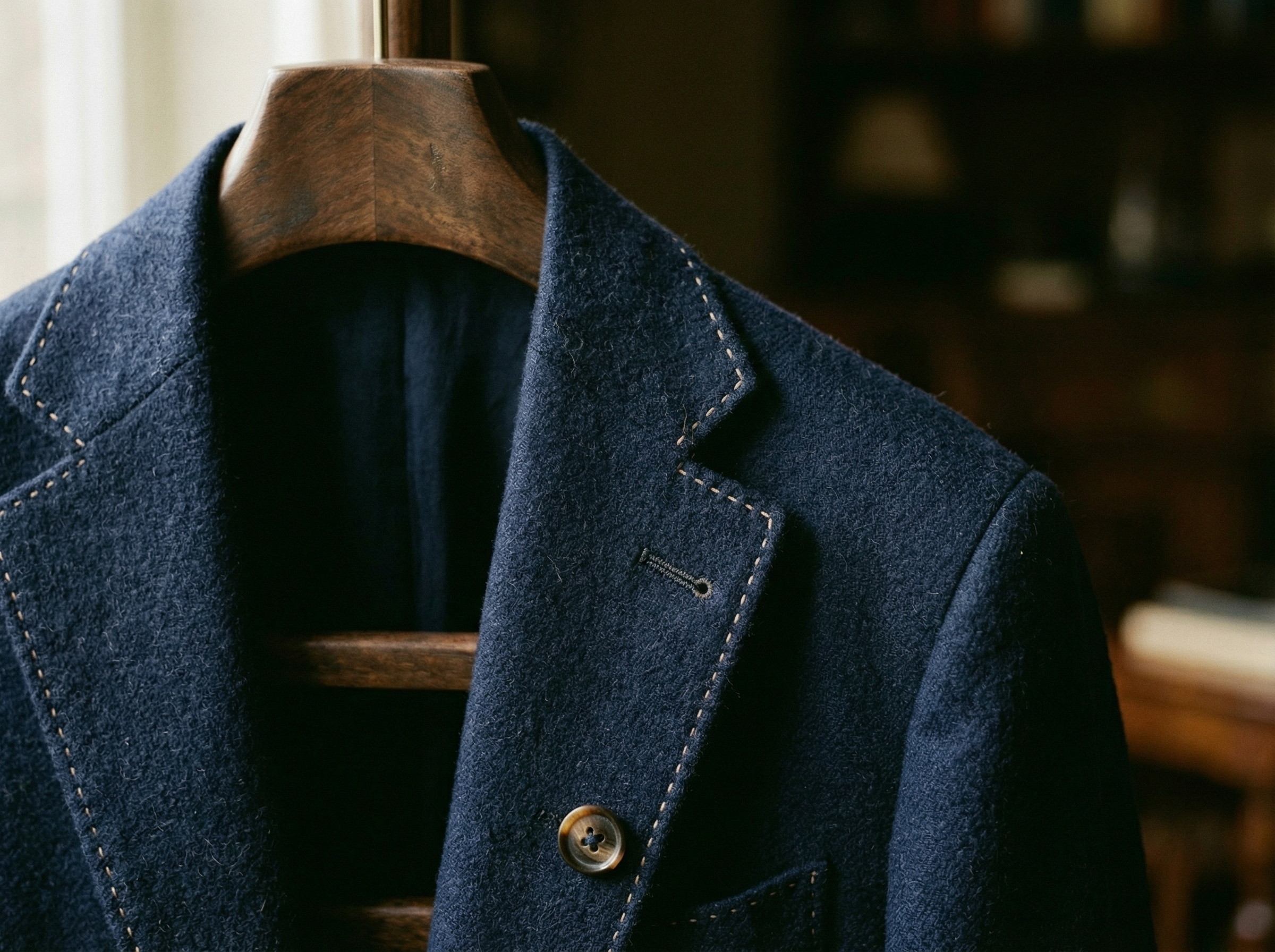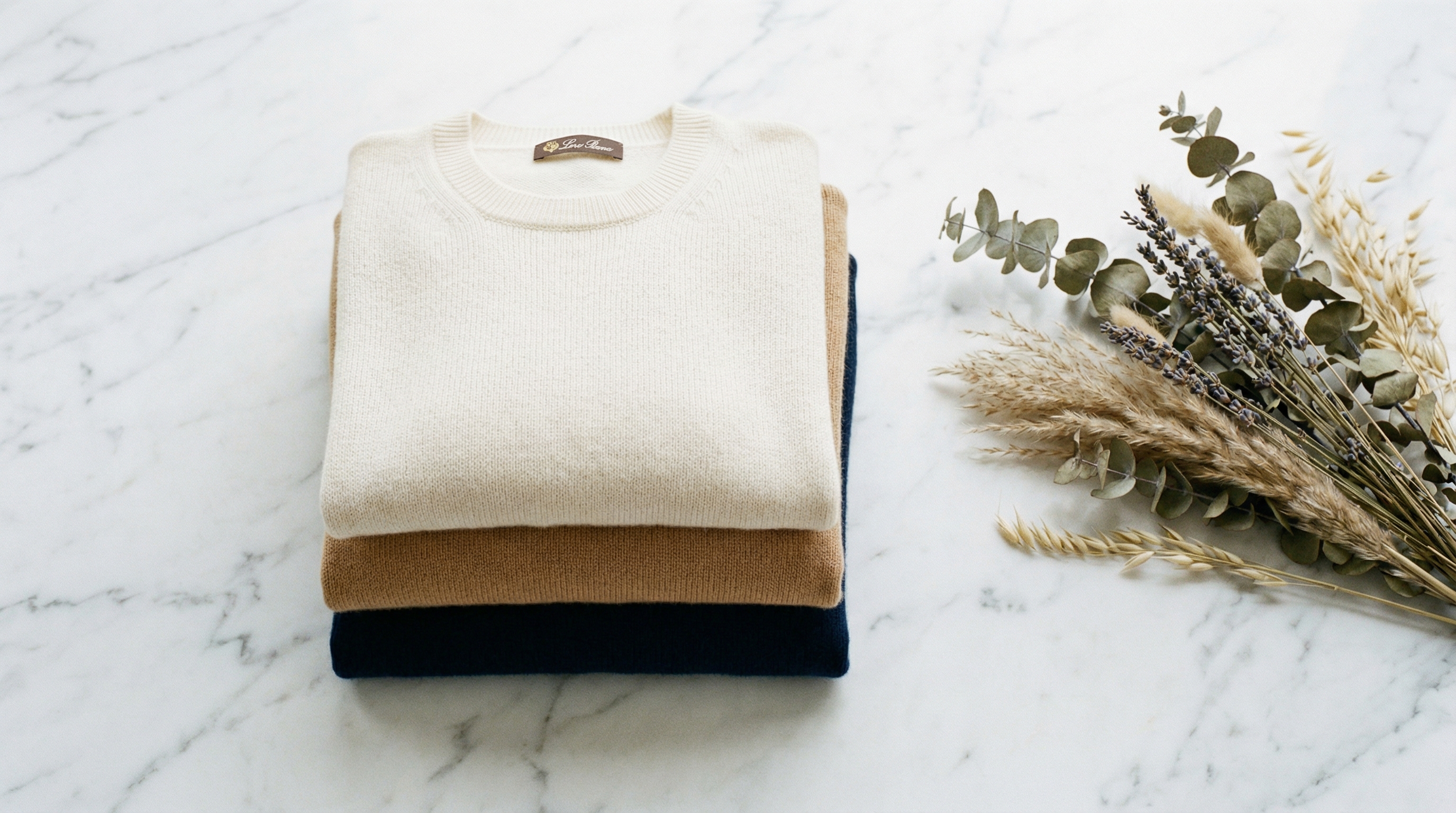
There is something about cashmere that words struggle to capture. It is not merely soft — plenty of fabrics are soft. Cashmere is knowing, a fabric that understands the body it touches and responds accordingly.
The Origin
Cashmere comes from the undercoat of the Capra hircus goat, found primarily in the highlands of Mongolia, China, and the Kashmir region of India. Each goat produces only 150 to 200 grams of usable fiber per year. That scarcity is not marketing. It is biology.
Why It Matters
The affluent have worn cashmere for centuries not because it is expensive, but because nothing else feels the same. A good cashmere sweater is lighter than wool, warmer than most synthetics, and develops a character over time that no other fabric can replicate.
"Cashmere does not announce itself. It simply is."
Quality Markers
- Ply count: Two-ply cashmere is the minimum for durability. Single-ply pills quickly and loses shape.
- Fiber length: Longer fibers mean less pilling and greater longevity.
- Origin: Mongolian cashmere is generally considered the finest, though some Italian mills produce exceptional results from Chinese raw fiber.
- Weight: A good sweater should feel substantial but not heavy. 200-300 grams is typical for a quality crew neck.
Care
Hand wash in cool water with mild detergent. Never wring. Lay flat to dry. Store folded, never on a hanger. With proper care, cashmere improves with age.
The message is this: buy less, buy better, and let time prove the investment.